


Spend day one on the Acropolis, Acropolis Museum and Ancient Agora, day two on Syntagma, Plaka and Lycabettus, and day three at the National Archaeological Museum, the Central Market and Cape Sounion at sunset. Book a timed Acropolis ticket first.
Three days is the right amount of time for a first visit to Athens: enough to see the Acropolis and its museum properly, walk the ancient heart of the city, spend a morning in the National Archaeological Museum and still have an evening for the sunset at Cape Sounion or on Lycabettus Hill. Athens is not a pretty postcard city at first sight, but it rewards anyone who slows down, eats well and walks its old neighbourhoods. This guide gives you a realistic day by day plan, plus what to know about getting around, when to go and where to base yourself.
Quick facts
- Time needed: 3 days for the highlights; 4 or 5 if you want a day trip to Delphi, Hydra or Sounion.
- Best time: April to early June and mid September to early November; July and August are very hot.
- Getting in: metro line 3, the suburban railway, express buses or a taxi from Athens International Airport.
- Getting around: on foot in the centre, with the metro for longer hops.
- Book ahead: a timed entry ticket for the Acropolis, especially from April to October.
Before you go: the essentials
When to visit
Spring and autumn are ideal. In April and May the hills are green and the temperature is perfect for walking; in late September and October the sea at the Athens Riviera is still warm and the crowds thin out. July and August regularly bring heatwaves above 38°C, and the Acropolis may close in the middle of the day during extreme heat. Winter is mild, quiet and cheaper, with short days and occasional rain, and it is a good season for museums.
Arriving and getting around
Athens International Airport lies about 30 kilometres east of the centre. The blue metro line 3 runs directly to Syntagma and Monastiraki, express buses run around the clock, and taxis charge a fixed fare to the centre. Our guide to getting from Athens airport to the city compares the options in detail.
Once you are in the centre, almost everything on this itinerary is walkable. The historic core between Syntagma, Monastiraki, Plaka, Thissio and Koukaki is compact, and the pedestrianised Dionysiou Areopagitou and Apostolou Pavlou streets link the main archaeological sites. The metro is clean, cheap and useful for the National Archaeological Museum, Piraeus and the airport. Taxi apps work well and are the easiest way home late at night.
Where to stay
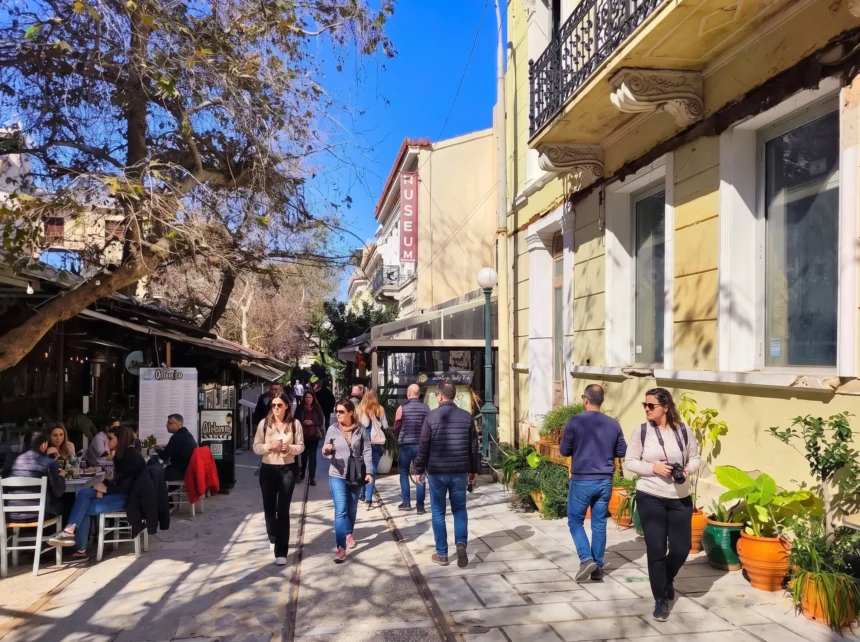
For a short first visit, stay within walking distance of the Acropolis: Plaka, Makrygianni and Koukaki, Monastiraki or around Syntagma. Each has a different character and price level, which we compare in where to stay in Athens.
Day 1: the Acropolis and ancient Athens
Morning: the Acropolis
Start with the Acropolis at opening time, at 08:00, when the light is soft, the marble is cool and the crowds are thinner. Allow two to three hours for the Propylaia, the Temple of Athena Nike, the Parthenon and the Erechtheion with its Caryatid porch, plus the Theatre of Dionysus on the south slope. Tickets are sold for timed entry slots, so book online in advance. Our Acropolis visitor guide covers prices, entrances and the best route around the hill.
Late morning: the Acropolis Museum
Walk down to the Acropolis Museum at the foot of the hill. It is one of the finest archaeological museums in Europe, built over an excavated ancient neighbourhood that you see through glass floors. The top floor displays the Parthenon frieze in its original orientation, with the sculptures held in Athens alongside plaster casts of those in London, and the original Caryatids stand on the first floor. Allow at least two hours and stop at the café terrace, which looks straight up at the Parthenon.
Afternoon: Areopagus Hill and the Ancient Agora
After lunch in Makrygianni or Koukaki, follow the pedestrian promenade around the hill to Areopagus Hill, a slippery outcrop of marble with a superb view of the Acropolis and the city. Then head down into the Ancient Agora, the political and commercial centre of classical Athens. The Temple of Hephaestus is one of the best preserved Greek temples anywhere, and the reconstructed Stoa of Attalos houses a small museum.
Evening: Monastiraki, Thissio and Psyrri
Finish around Monastiraki Square, with its flea market streets and rooftop bars facing the floodlit Acropolis. For dinner, the tavernas of Thissio have views, while Psyrri is livelier and better value, with mezedopoleia, small wine bars and late night music.
Day 2: Syntagma, Plaka and Lycabettus
Morning: Syntagma and the National Garden
Begin at Syntagma Square in front of the Greek Parliament, where the Evzones guards change at the Tomb of the Unknown Soldier every hour on the hour. The full ceremony with the military band takes place on Sunday mornings at 11:00. From there, walk through the shaded National Garden to the Zappeion and on to the Panathenaic Stadium, the marble stadium rebuilt for the first modern Olympic Games in 1896.
Midday: Olympian Zeus and Plaka
Cross to Hadrian’s Arch and the Temple of Olympian Zeus, whose few surviving columns give a sense of the enormous scale of the original. Then wander into Plaka, the oldest residential quarter, with neoclassical mansions, Byzantine churches and souvenir lanes. Climb into Anafiotika, a tiny cluster of whitewashed island style houses built by stonemasons from Anafi in the 19th century, tucked below the north face of the Acropolis.
Afternoon: Roman Agora and Hadrian’s Library
Below Plaka, the Roman Agora holds the octagonal Tower of the Winds, an ancient clock and weather vane, and nearby Hadrian’s Library preserves a long colonnade. Both are quick visits and pair well with a coffee break in the surrounding streets.
Evening: sunset on Lycabettus
Head to Kolonaki for the funicular up Lycabettus Hill, or walk up the path through the pines if you are fit. The summit, crowned by the small chapel of Agios Georgios, is the highest point in central Athens and has a sweeping view to the Acropolis, Piraeus and the Saronic Gulf. Have dinner back down in Kolonaki or in Exarchia, where you will find student prices and good mezedes.
Day 3: museums, markets and the sea
Morning: National Archaeological Museum
Take the metro to Viktoria or Omonia, or walk, and spend the morning in the National Archaeological Museum, the largest in Greece. Highlights include the gold Mask of Agamemnon from Mycenae, the bronze Artemision god (Zeus or Poseidon), the Antikythera Mechanism and the Cycladic figurines. Three hours go quickly.
Lunch: the Central Market
Walk down Athinas Street to the Varvakios Central Market, a noisy covered hall of butchers and fishmongers, with spice shops and delis in the streets around it. The basic tavernas inside the market serve hearty soups and stews to market workers. Afterwards, if you still have energy, the Museum of Cycladic Art or the Benaki Museum in Kolonaki are both excellent and smaller in scale.
Afternoon and evening: Cape Sounion
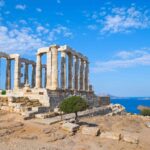
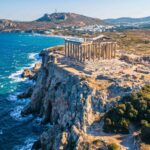
For the last evening, take a tour, a public bus or a hire car down the coast road to Cape Sounion, about 70 kilometres south east of the city. The Temple of Poseidon stands on a cliff above the Aegean, and the sunset here is famous. Swim on the way at one of the Riviera beaches. If you would rather stay in town, spend the afternoon at the Stavros Niarchos Foundation Cultural Center, a free park and cultural complex by the sea, then return for dinner in Pangrati, a residential neighbourhood with some of the best food in the city.
If you have more time
- Delphi: the sanctuary of Apollo on the slopes of Mount Parnassus, around two and a half hours by road. It makes a long but rewarding day.
- Hydra: a car free island with a beautiful harbour, reached by fast boat from Piraeus. See our Hydra travel guide.
- The islands: Athens is the main gateway to the Cyclades and the Saronic Gulf; our Greek ferry guide explains Piraeus, Rafina and Lavrio.
- More ideas: our list of things to do in Athens adds markets, viewpoints and lesser known museums.
What to eat in Athens
Athens eats late: lunch around 14:00 and dinner from 21:00. Try souvlaki and gyros from a proper grill house, koulouri (sesame bread rings) from street vendors for breakfast, loukoumades (fried dough balls with honey) and bougatsa. In tavernas, order a spread of meze to share: fava, grilled octopus, keftedes, horta and a jug of house wine. Tap water in Athens is safe to drink.
Practical tips
- Book the Acropolis first: slots sell out in summer, and everything else on the plan can be arranged around it.
- Wear proper shoes: the marble at the Acropolis and on Areopagus Hill is polished smooth and very slippery.
- Watch your pockets: pickpockets work the metro, especially the line to Piraeus, and the crowds around Monastiraki.
- Beat the heat: in summer, do outdoor sites early and late, and save museums for the afternoon.
- Check closures: archaeological sites close on some public holidays and may close early in heatwaves.
- Tipping: rounding up or leaving around 5 to 10 percent in restaurants is appreciated but not compulsory.
Frequently Asked Questions
Is 3 days enough for Athens?
Yes, three days is enough for the main sights: the Acropolis and its museum, the Ancient Agora, Plaka, the National Archaeological Museum and a sunset at Lycabettus or Cape Sounion. Add a fourth or fifth day for Delphi or an island trip to Hydra.
What is the best area to stay in Athens for a first visit?
Plaka, Makrygianni and Koukaki, Monastiraki and the streets around Syntagma are all within walking distance of the Acropolis. Koukaki is quieter and good value, while Plaka is the most atmospheric and most expensive.
When is the best time to visit Athens?
April to early June and mid September to early November offer warm weather without the extreme heat of July and August. Winter is quiet and mild, ideal for museums, though days are shorter.
Do I need to book Acropolis tickets in advance?
It is strongly recommended. Entry is by timed slot, and summer morning slots often sell out. Buy tickets on the official Hellenic Heritage e-ticket platform.
Is Athens walkable?
The historic centre is very walkable, and most major sights lie within about two kilometres of each other. Use the metro for the National Archaeological Museum, Piraeus and the airport.