


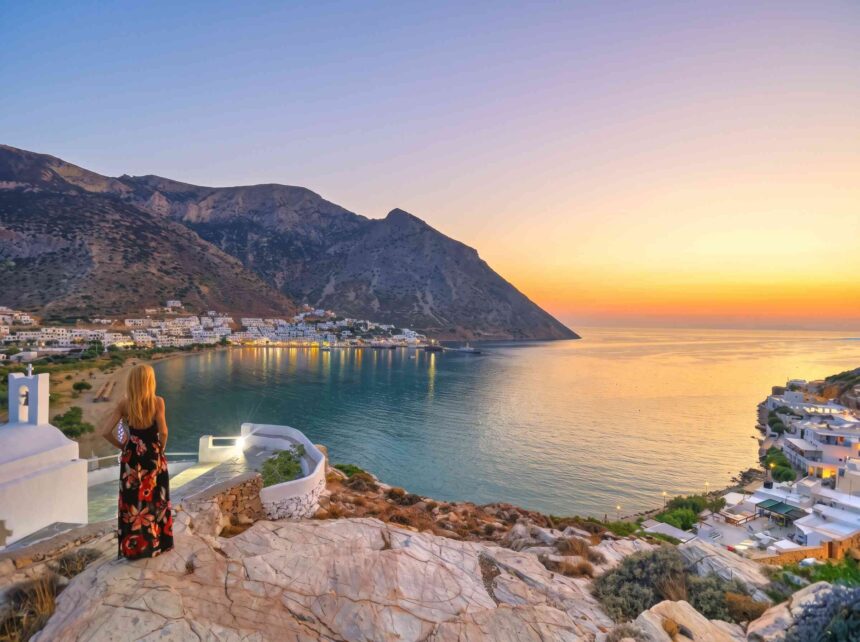
Sifnos is a western Cyclades island about 2 to 3 hours from Piraeus by fast ferry, best known for its food, pottery and more than 100 km of walking trails. Stay four to six nights in Apollonia or Artemonas.
Sifnos is the Cycladic island for people who travel to eat and walk. It has no airport and no big resorts, but it does have a reputation as the best food island in the Aegean, a living pottery tradition, more than 100 km of signposted footpaths and some of the prettiest villages in the Cyclades. Plan at least four nights, ideally in late spring or September, and base yourself in Apollonia or Artemonas so you can walk to dinner.
Quick facts
- Where: the western Cyclades, between Serifos and Milos.
- Getting there: ferry from Piraeus to Kamares, roughly 2 to 3 hours by fast boat and longer by conventional ferry; there is no airport.
- Time needed: 4 to 6 nights.
- Best time: May, June and September; July and August are busy and the meltemi wind can be strong.
- Good for: food lovers, walkers, couples, slow travellers, families who prefer calm bays to nightlife.
Why Sifnos is different
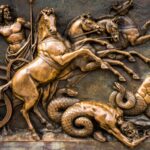
In antiquity Sifnos was one of the richest islands in Greece thanks to its gold and silver mines, rich enough to build its own treasury at Delphi, the Siphnian Treasury, whose carved frieze is still one of the highlights of the Delphi museum. The mines were eventually exhausted or flooded, and the island turned to farming, potting and cooking. The best known Sifniot of modern times is Nikolaos Tselementes, born on the island in 1878, whose cookbook became so famous that “tselementes” is still a Greek word for any cookbook.
That history shapes the island today. Sifnos is green by Cycladic standards, with terraced hills, dovecotes, olive trees and some 200 or more chapels. Most of the development is low and white, and the island attracts Greek families and repeat visitors more than party crowds. It is also not cheap: in high season the good tavernas and hotels are priced like the best of the Cyclades.
Villages
Apollonia and Artemonas
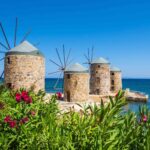
Apollonia, the capital since 1836, spreads over three low hills in the centre of the island and is the evening hub. Its main lane, the Steno, is lined with bars, boutiques and small restaurants and fills with people after dark. The Folklore Museum on the main square gives a good introduction to island life, including pottery and textiles. Artemonas, about 1.5 km north and joined to Apollonia by a paved footpath, is quieter and more elegant, with old mansions, two windmills on the hill and some of the island’s best known bakeries and sweet shops. Staying in either puts you in walking distance of a dozen good places to eat.
Kastro
Kastro, on a rock above the east coast, was the island’s capital until the 19th century. It is a fortified medieval village in which the outer houses form the defensive wall, with narrow vaulted lanes, Venetian coats of arms over doors and an archaeological museum with finds from the ancient acropolis on the same site. A stepped path leads down through the walls to the swimming rocks at Seralia in about 15 minutes. Just below Kastro, on a rocky spit in the sea, the chapel of the Seven Martyrs is one of the most photographed views in the Cyclades and a popular spot for a swim from the rocks.
Kamares, Vathi, Faros and Cherronisos
Kamares, the port, has a long sandy beach, a row of cafés and tavernas and the island’s main pottery workshops, and it is a practical base if you do not want to drive. Vathi, on the southwest coast, is a fishing village in a deep, sheltered bay with a sandy beach and a small white monastery right on the water, the Taxiarchis. Faros, in the southeast, is a fishing hamlet with a string of small beaches. Cherronisos, at the remote northern tip, is a tiny fishing port known for its pottery workshops and fish tavernas.
Pottery
Potters have worked on Sifnos since the Early Cycladic period, using the island’s clay to make cooking pots, water jugs and the decorative chimney pots called flaria that top many island houses. In the 19th and early 20th centuries Sifniot potters travelled all over Greece to work. The tradition is still alive in workshops around Kamares, Vathi, Platis Gialos, Apollonia and Cherronisos, where you can watch potters at the wheel and buy anything from simple bowls to the traditional skepastaria, lidded clay pots used for the island’s slow cooked dishes. Look for the blue and white glazes and the earthy brown cooking ware; a well packed piece is the best souvenir you can take from the island.
Food on Sifnos
Sifniot cooking is built around clay pots and wood fired ovens. The two essential dishes are revithada, chickpeas slow cooked overnight in a clay pot in the bread oven, traditionally eaten on Sunday, and mastelo, lamb or goat cooked with red wine and dill in a clay vessel, a dish for Easter and celebrations. Other things to look for:
- Manoura: a hard sheep and goat cheese matured in wine lees, with a strong flavour.
- Kaparosalata: a salad of capers and caper leaves with onion.
- Revithokeftedes: chickpea fritters, a good meze.
- Melopita: a honey and cheese pie made with fresh mizithra.
- Amygdalota: almond sweets dusted with sugar, sold in the bakeries of Artemonas and Apollonia.
Every year, usually in early September, the island hosts the Nikolaos Tselementes Cycladic Gastronomy Festival, with cooking demonstrations and food from islands across the Cyclades. In summer, village panigyria (saints’ day festivals) at country chapels are the most authentic food experience of all: long tables, communal cooking, wine and live music into the night. They are rarely advertised, so ask locals. For context on the dishes you will meet across the country, see our Greek food guide.
Walking the Sifnos Trails
Sifnos has one of the best footpath networks in the Aegean, known as the Sifnos Trails, with more than 100 km of numbered, signposted routes. Many follow old stone paved paths called kalderimia that linked villages, monasteries and beaches long before roads arrived. You can walk from Apollonia to almost anywhere on the island, and many routes can be done in a morning. A few to consider:
- Apollonia to Kastro: a downhill walk of about an hour past chapels and terraces, with a swim at the end.
- Glyfo to Apokofto: an easy 15 to 20 minute coastal path past the chapel of Agia Ekaterini to Chrysopigi.
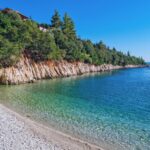
- Platis Gialos to Fikiada: about 45 minutes through juniper and cedar to a beach reachable only on foot or by boat.
- Profitis Ilias: a climb to the monastery on the island’s highest peak, around 680 metres, for views over the Cyclades.
Spring, when the hills are green and covered in wildflowers, and autumn are the best seasons. In summer start early, carry plenty of water and wear proper shoes; much of the network is unshaded. A good printed or digital map of the trails is worth having, and route numbers are marked on signposts at junctions.
Beaches
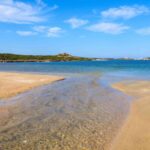
Platis Gialos, on the south coast, is the biggest beach, a long stretch of golden sand with sunbeds, tavernas and shallow water, and the busiest in August. Vathi is a sheltered sandy bay that suits families. Kamares beach is long, shallow and convenient for the port. Smaller and quieter choices include Faros and the little Glyfo cove next to it, the rocky bays at Vroulidia in the north, and Apokofto, a sandy cove beside Chrysopigi. On days when the north wind blows hard, the south facing beaches are the most sheltered.
Chrysopigi
The Monastery of Panagia Chrysopigi, a small white church on a rocky islet joined to the land by a short footbridge, is the symbol of Sifnos and the island’s patron. The current building dates from the 17th century, and according to tradition the rock it stands on split in two to protect the women of the island from pirates. Its big festival falls on Ascension Day, 40 days after Orthodox Easter, when the icon is carried in procession and the whole island gathers. The rocks around it are a lovely place for a swim.
How to fit Sifnos into a Cyclades trip
Sifnos sits on the western Cyclades ferry line from Piraeus, which also serves Kythnos, Serifos and Milos, so it combines naturally with the beaches of Milos to the south and the quieter cliffs of Folegandros further on. Connections to Paros and the central Cyclades exist in summer but are less frequent. Our guide to island hopping itineraries suggests routes that work, and our overview of Greek ferries explains booking. If you are flying in, you will pass through Athens; our Athens travel guide helps with a night or two there.
Practical tips
- Book early: Sifnos has limited accommodation and fills up in July and August, especially around the Assumption on 15 August.
- Getting around: the island bus links Kamares, Apollonia, Artemonas, Kastro, Platis Gialos, Faros and Vathi in season. A car or scooter helps for remote beaches, but you can manage with the bus and your feet.
- Ferries: fast boats are quicker but more exposed to cancellations in strong wind; the conventional ferry is slower and steadier.
- Dinner: book the best known tavernas in Apollonia, Artemonas and Vathi a day or two ahead in summer.
- Pottery: ask the workshops to pack fragile pieces for flying; many will ship larger items.
- Shoulder season: from late October to April most hotels and restaurants close, though the island remains lived in.
Sifnos is not the island for ticking off sights. Its pleasure is in the routine: a morning walk on an old path, a swim at the end of it, a long lunch of slow cooked food and an evening stroll in Apollonia. Give it time and it becomes one of the hardest islands in Greece to leave.
Frequently Asked Questions
How do you get to Sifnos?
Sifnos has no airport, so you arrive by ferry at Kamares. Boats from Piraeus take roughly 2 to 3 hours on a fast vessel and longer on a conventional ferry, and the island is also connected with Serifos, Milos and other Cyclades. Check current timetables, which change by season.
How many days do you need in Sifnos?
Four to six nights is ideal. That gives you time for Kastro, Chrysopigi, a few walks on the Sifnos Trails, several beaches and the long meals that are the point of the island.
What food is Sifnos famous for?
Sifnos is famous for revithada, chickpeas slow cooked in a clay pot, and mastelo, lamb or goat cooked in wine. Try also manoura cheese, caper salad, chickpea fritters and almond sweets. The island was the birthplace of Nikolaos Tselementes, the best known Greek cookbook writer.
Where should I stay in Sifnos?
Apollonia and Artemonas are best for walking to restaurants and trails. Platis Gialos and Vathi suit beach holidays and families, while Kamares is practical if you are arriving and leaving by ferry without a car.
Is Sifnos good for hiking?
Yes, Sifnos is one of the best Greek islands for walking. Its signposted network of more than 100 km follows old stone paths between villages, monasteries and beaches. Spring and autumn are the best seasons.