


Reach Balos Lagoon by day boat from Kissamos port, which usually stops at Imeri Gramvousa, or by car on an 8 km dirt track from Kaliviani followed by a 20 to 30 minute walk. Arrive early to avoid crowds and heat.
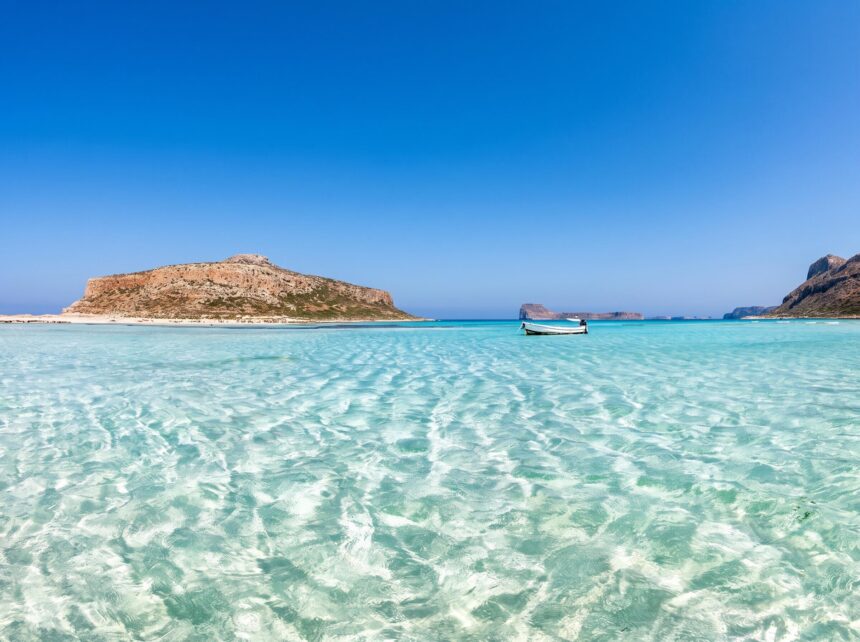
Balos Lagoon lies at the tip of the Gramvousa peninsula in the far northwest of Crete, about an hour’s drive west of Chania plus a rough track. There are two ways in: by boat from Kissamos port, usually combined with a stop at Imeri Gramvousa island and its Venetian castle, or by car along an unpaved road of roughly 8 km followed by a 20 to 30 minute walk down to the beach. Both are worth it if you go early or late; in the middle of an August day, Balos is crowded and very hot.
Quick facts
- Location: Gramvousa peninsula, northwest Crete, about 55 km west of Chania.
- Access by boat: day boats from Kissamos port, roughly May to October, usually stopping at Gramvousa island.
- Access by car: dirt track of about 8 km from Kaliviani, then a walk of 20 to 30 minutes down and longer back up.
- Fees (reported for 2026): a small protected area charge of around 1 euro per person on the road in, plus around 3 euros for parking; check on arrival.
- Time needed: a full day by boat, half a day or more by car.
- Good for: swimmers, photographers, walkers; less suited to toddlers if you come on foot.
What makes Balos special
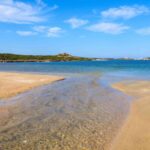
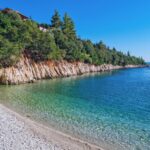
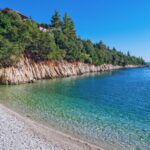
From the viewpoint above, Balos is a shallow lagoon of white sand and water in every shade of turquoise, separated from the open sea by a narrow sandbar that links the mainland to Cape Tigani, a rocky headland. The water inside the lagoon is warm and knee to waist deep, perfect for floating rather than serious swimming. On the seaward side the water is deeper and clearer. Patches of pinkish sand appear along the shore, caused by crushed shells, though less pronounced than at Elafonisi.
The whole Gramvousa peninsula is a protected Natura 2000 area. It is home to rare plants, sea daffodils that flower in late summer, nesting seabirds and, offshore, occasional monk seals and sea turtles. The landscape is bare and rocky, with almost no trees, which is part of its beauty and also why shade is scarce.
Imeri Gramvousa island and its castle
Most boats stop first at Imeri Gramvousa, a small uninhabited island just north of the peninsula. The Venetians built a fortress on its summit in the late 16th century to guard the sea route around western Crete. It remained in Venetian hands after the rest of Crete fell to the Ottomans in 1669, and only passed to the Ottomans in 1692. During the Greek War of Independence in the 1820s, Cretan revolutionaries and refugees held the castle and the island became a notorious pirate base, until a British and French naval operation ended the piracy.
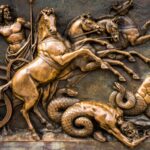
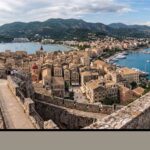
A path zigzags up from the landing beach to the castle in about 20 to 30 minutes. It is steep and exposed, but the view over the walls to Balos and the peninsula repays the effort. Below, a small beach has a rusting shipwreck at one end, a favourite photo stop. Boat stops here are usually short, so choose between the climb and a swim.
How to get to Balos
By boat from Kissamos
Large day boats leave from Kissamos port (also called Kavonisi), a few kilometres west of Kissamos town, during the season, which typically runs from May to October. The usual pattern is a morning departure, a stop at Imeri Gramvousa, around three hours at Balos and a return in the late afternoon. The crossing takes about an hour each way, depending on sea conditions. In July and August boats fill up, so book a day or two ahead.
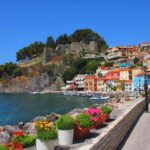
The boat is the easiest option for families and anyone without a sturdy car. The trade off is that you arrive with hundreds of other passengers at the busiest time of day. If the sea is rough, sailings can be cancelled or changed, as the cape is exposed to the north wind.
By car via Kaliviani
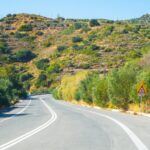
Drive west from Chania on the national road to Kissamos, then follow signs to Kaliviani. Just past the village the asphalt ends and an unpaved track of roughly 8 km follows the east side of the peninsula. It is rocky, dusty and narrow in places, with steep drops on one side. Most drivers take 30 to 45 minutes. A small fee for the protected area is collected on the way in, reported at around 1 euro per person in 2026, and the car park at the end charges around 3 euros; amounts can change, so carry some cash.
Check your rental contract before attempting the track. Many rental agreements exclude unpaved roads, and damage to tyres, the underside or the windscreen is then not covered. Our guide to driving in Crete explains insurance and road conditions in more detail.
From the car park, a marked footpath leads down to the lagoon in about 20 to 30 minutes, passing the famous viewpoint. The path is loose and steep in parts, and the climb back up in the afternoon heat takes 30 to 45 minutes. Wear proper shoes, not flip flops, and carry plenty of water.
On foot
Fit walkers can also hike the whole way from Kaliviani along the track or from the cape, but it is long, shadeless and only sensible in spring or autumn.
Boat or car: which is better?
- Choose the boat if you want to see Imeri Gramvousa too, have children or no suitable car, or prefer not to tackle the track.
- Choose the car if you want to arrive early, before the boats, and leave when the crowds arrive; or if you want to stay until late afternoon when the boats have gone.
- Best of both: drive early, enjoy the lagoon from about 09:00 to 12:00, then leave as the boats arrive.
Protected area rules
Because Balos sits in a Natura 2000 zone, camping, fires and overnight stays are not allowed, and taking sand, shells or stones is prohibited. Facilities are kept to a minimum: there are limited sunbeds and umbrellas in summer, plus simple refreshments near the car park, but do not count on finding everything you need. Take all rubbish back with you. The peninsula is wild land, so stay on marked paths to protect the vegetation.
When to visit
June and September are ideal: the sea is warm, the boats run and crowds are thinner than in July and August. In spring, the walk is pleasant but the water is cooler. Strong northerly winds, common in summer, can make the sea on the outer side choppy, though the lagoon itself stays calm. Check our month by month guide when planning.
Practical tips
- Start early. By car, aim to be on the track by 08:00 in summer; the car park fills by mid morning.
- Bring shade. A small umbrella or a sun shelter makes a big difference if you do not want to rent one.
- Water and food. Carry at least two litres of water per person; the climb back up is thirsty work.
- Footwear. Trainers or walking sandals for the path; water shoes help on the rocky edges.
- Do not count on mobile signal everywhere on the track.
- Combine it. Falassarna, a long sandy beach just south of the peninsula, is perfect for an evening swim and sunset on the way back.
Balos is the obvious day out from a base in the west; see our Chania travel guide for nearby places to stay. In the same corner of Crete, the pink sands of Elafonisi beach make a natural pair, and our round-up of the best beaches in Crete covers the rest of the island.
Frequently Asked Questions
Can you drive to Balos Lagoon?
Yes, but the last part is an unpaved track of roughly 8 km from Kaliviani, which takes 30 to 45 minutes. Many rental contracts exclude unpaved roads, so check your insurance. From the car park you walk 20 to 30 minutes down to the lagoon.
Is there an entrance fee for Balos?
A small fee for the protected area is collected on the road in, reported at around 1 euro per person in 2026, and parking costs around 3 euros. Amounts can change, so carry cash.
Is the Balos boat trip worth it?
Yes, if you have no suitable car or want to see Imeri Gramvousa and its Venetian castle. The downside is arriving at the busiest time of day with many other passengers.
How long is the walk down to Balos?
About 20 to 30 minutes down from the car park and 30 to 45 minutes back up. The path is steep and loose in places, with no shade, so wear proper shoes and carry water.
When is the best time to visit Balos?
June and September offer warm water and fewer people. In any month, arrive early in the morning or stay late in the afternoon to avoid the midday crowds.