


The best beaches in Crete include Balos, Falassarna and Elafonisi in the west, Preveli and Plakias on the Rethymno south coast, Matala and Kommos south of Heraklion, and Vai and Xerokambos in the east. Choose by region and check the wind before you go.
The best beaches in Crete are spread around a coastline of more than 1,000 kilometres, so the smartest way to choose is by region. The far west has the headline names (Balos, Elafonisi and Falassarna), the south coast has wilder, quieter bays on the Libyan Sea, the north coast has the easy, organised beaches near the big towns, and the east has palm groves and windswept coves. This guide goes region by region and tells you which beaches are worth the drive and which are better seen from a distance.
Quick facts
- Best time: June and September for warm sea and fewer crowds; the sea stays swimmable into October
- Getting around: a hire car is close to essential for the best beaches; buses reach the main resorts only
- Calmest water: the north coast when the summer meltemi blows, the south coast on still days
- Bring: water shoes for pebbles and rocks, shade for wild beaches, cash for sunbeds
- Good for: families on the north coast, walkers and quiet seekers on the south coast
How Crete’s coasts differ
Crete is long and narrow, with a high mountain spine running east to west. That spine shapes the beaches. The north coast faces the Aegean and holds the airports, the main road and most of the resort towns, so its beaches are long, sandy and well served, but often busy. The south coast faces the Libyan Sea, with mountains dropping almost straight into the water. Beaches there are fewer, harder to reach and much quieter, and the water tends to be clearer and a little warmer late in the season.
Wind matters more than most visitors expect. In July and August the northerly meltemi can whip up waves on north-facing beaches while the south coast stays flat, although strong gusts also funnel down the southern gorges. Checking the wind forecast the night before is the single most useful habit for a beach holiday in Crete. Our Crete travel guide explains how the island divides into four regional units, which is a helpful frame for everything below.
Chania region: the famous west
Balos Lagoon
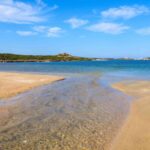
Balos sits at the tip of the Gramvousa peninsula in the far north-west, a shallow lagoon of white sand and turquoise water below a rocky headland. It is the most photographed beach on the island and deserves the attention, but it is also crowded in high season and very exposed, with little natural shade. You can reach it by boat from Kissamos port, usually combined with a stop at Gramvousa island and its Venetian fortress, or by driving a rough dirt road and then walking down a steep path. Our guide to visiting Balos and Gramvousa covers both options in detail.
Falassarna
A few kilometres south of the Gramvousa peninsula, Falassarna is a long stretch of sand on the west coast with room to spread out even in August. It is known for sunsets over open sea and for waves when the wind picks up, so families should pick a calm day. There are tavernas and sunbeds at the main beach, with quieter coves at either end. The remains of an ancient harbour town lie at the northern end.
Elafonisi
Elafonisi, in the south-west corner of the island, is famous for pink-tinged sand and a shallow lagoon you can wade across to a small islet. The pink colour comes from crushed shells and is strongest at the water’s edge, not across the whole beach. The area is protected, so stay on marked paths over the dunes and do not take sand home. It is a long drive from Chania and gets busy from late morning. Read our Elafonisi beach guide for timing and parking tips.
Seitan Limania and the Akrotiri peninsula
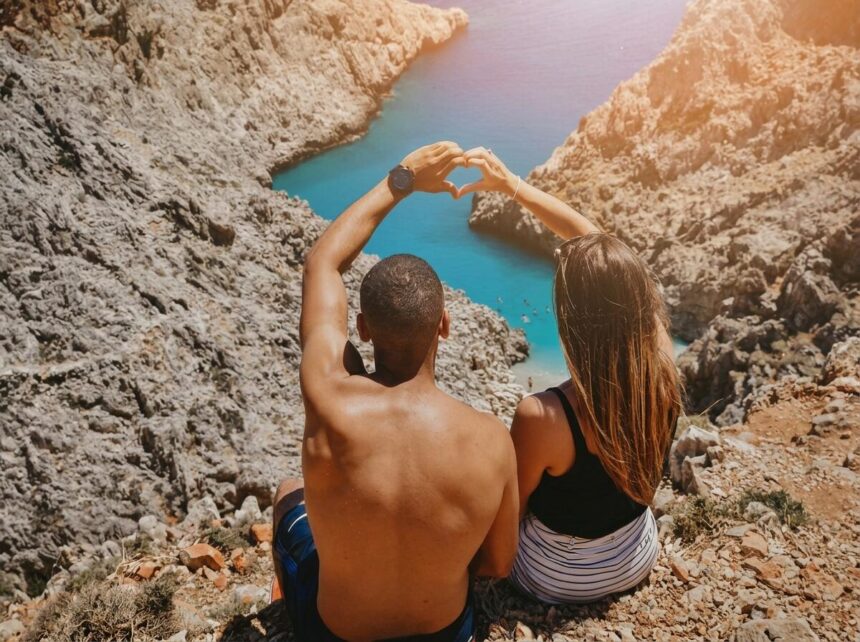
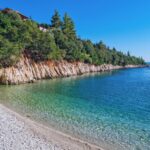
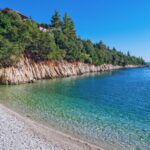
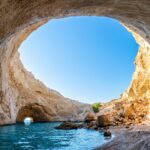
East of Chania town, the Akrotiri peninsula has the sandy, sheltered beaches of Stavros (the backdrop for the film Zorba the Greek) and Marathi, both good for children. On its eastern side, Seitan Limania is a narrow inlet between cliffs with a tiny pebble beach at the end. It looks spectacular but is reached by a steep, rocky path, and the beach itself fills quickly. It is not a place for small children or anyone unsure on their feet.
The south-west: Sougia, Loutro and Glyka Nera
The Sfakia and Selino coast is beach country for people who like a bit of effort. Sougia has a long pebble beach and a relaxed village. Loutro, reachable only by boat or on foot, has a small bay with clear water and walking paths to nearby coves such as Glyka Nera (Sweetwater), where fresh water seeps up through the pebbles. These are beaches to combine with the coastal ferry that runs along the south coast.
Rethymno region: palms and long sands
Preveli
Preveli is where the Kourtaliotis river meets the Libyan Sea, forming a freshwater lagoon lined with palm trees before it reaches a sandy beach. You park above the beach and walk down a long series of steps, which means a hot climb back up in the afternoon. Go early, bring water, and combine it with a visit to Preveli Monastery on the road in.
Plakias, Damnoni and Triopetra
Further west along the south coast, Plakias is a small resort with a long sandy beach, and the neighbouring bays of Damnoni and Ammoudi are more sheltered. East of Preveli, the twin beaches at Triopetra and nearby Agios Pavlos, with its sand dunes, feel remote and are best for travellers who want space more than facilities. On the north coast of the region, the long beach that runs east from Rethymno town is easy and organised but rather unremarkable.
Heraklion region: the south is better
The beaches close to Heraklion city are convenient but not the island’s best, sharing the coast with the airport and resort strip. Agia Pelagia, west of the city, is a sheltered bay that works well for families. The real interest is on the south coast of the region.
Matala and Kommos
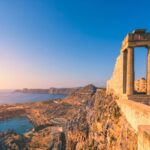
Matala is a curved bay below sandstone cliffs carved with Roman-era tombs and caves, later made famous by the hippies who lived in them in the 1960s and 1970s. The caves can be visited for a small fee during the day. A short drive north, Kommos is a long, open sandy beach next to a Minoan archaeological site, with far more space than Matala. A rough path also leads from Matala over the hill to Red Beach, a small sandy cove with reddish cliffs.
Lasithi region: palms, islands and wind
Vai
Vai, in the far north-east, is known for its forest of Cretan date palms, a native species, growing right behind the sand. The palm grove is protected and fenced, and the beach is organised and busy in summer. It is worth the long drive if you are exploring the east, especially in the morning, but it is not a reason in itself to base yourself at that end of the island.
Kouremenos, Xerokambos and Chrissi
Near Palekastro, Kouremenos is one of Crete’s main windsurfing beaches because of its reliable wind. Further south, Xerokambos is a quiet area of several sandy coves facing the Libyan Sea, with very little development. Off the south coast from Ierapetra, Chrissi island has sandy beaches and juniper trees and is reached by excursion boat in summer; see our Chrissi Island guide. Closer to Agios Nikolaos, Voulisma beach near Istro has soft sand and calm water, though it is very popular.
Which beaches suit which traveller
| If you want | Try |
|---|---|
| Shallow water for small children | Elafonisi, Marathi, Stavros, Agia Pelagia |
| Long sand and space | Falassarna, Kommos, Plakias |
| Quiet and remote | Xerokambos, Triopetra, Sougia |
| Dramatic scenery | Balos, Seitan Limania, Preveli |
| Reliable wind for watersports | Kouremenos, Falassarna on breezy days |
Families should also look at our guide to Crete with kids, which picks out the calmest, best-served beaches by area.
Practical tips
- Hire a car: most of the beaches above are far from bus routes. Our guide to driving in Crete covers mountain roads, dirt tracks and insurance.
- Arrive early: Balos, Elafonisi, Preveli and Seitan Limania are far nicer before 10:00 and fill up by midday.
- Sunbeds: organised beaches charge per set of two beds and an umbrella, often paid in cash; prices rise at the famous spots.
- Shade and water: wild beaches on the south coast have no facilities at all, so bring everything you need and take your rubbish away.
- Protected areas: at Elafonisi, Balos and Vai, keep to marked paths and leave sand, shells and plants where they are.
- Base yourself well: no single base covers the whole island; see where to stay in Crete to match a base to the beaches you care about most.
If you only have a week, choose one or two regions rather than trying to see every famous beach. Driving from Elafonisi to Vai takes most of a day, and the best Cretan beach days tend to be the unhurried ones.
Frequently Asked Questions
Which part of Crete has the best beaches?
The west, around Chania, has the most famous beaches: Balos, Falassarna and Elafonisi. The south coast is quieter and often calmer in July and August when the northerly meltemi blows. The north coast has the easiest, most organised beaches near the resorts.
Are Crete’s beaches sandy or pebbly?
Both. Falassarna, Elafonisi, Kommos and Vai are sandy, while many south coast beaches such as Sougia and Loutro are pebbly. Water shoes are useful on the rockier coves.
Can you reach Balos and Elafonisi without a car?
Balos is easily reached by excursion boat from Kissamos port. Elafonisi has limited summer bus connections from Chania and organised day trips, but a hire car gives much more flexibility.
When is the sea warm enough to swim in Crete?
The sea is comfortable for most people from June to October, and at its warmest in August and September. May can be fresh, especially on the north coast.
Which Crete beaches are best for children?
Shallow, sheltered beaches such as Elafonisi, Marathi and Stavros on the Akrotiri peninsula, and Agia Pelagia near Heraklion, suit small children well. Avoid Seitan Limania and windy days at Falassarna.