



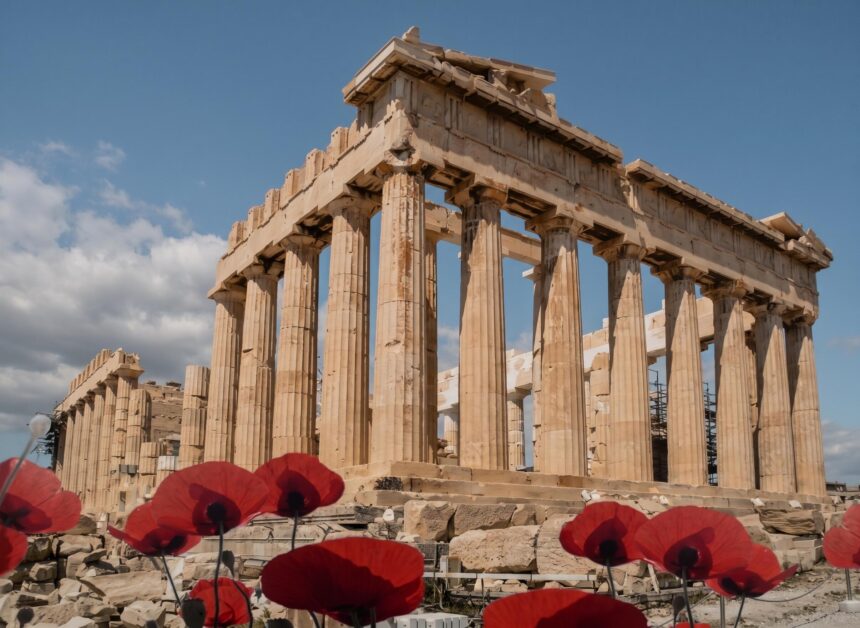
The best time to visit Greece is late May to June or September to early October, when the sea is warm, the weather is sunny and crowds are smaller than in July and August. April and May are best for hiking and Easter, while winter suits city breaks in Athens.
The best time to visit Greece for most travellers is late May to June or September to early October: the sea is warm enough to swim, the days are long and sunny, and the crowds and prices are lower than in July and August. Spring (April and May) is best for walking, wildflowers and Easter, while winter suits city breaks in Athens and Thessaloniki rather than island holidays. The right month depends on what you want from the trip, so here is how the year really looks, month by month.
Quick facts
- Best overall: late May, June, September and early October
- Hottest and busiest: July and August, with Athens averaging highs of around 31 to 32°C
- Warmest sea: August and September, around 25 to 26°C off Athens
- Best for hiking: April, May and October
- Quietest: November to March, when many island hotels and ferries pause
Greece by season at a glance
| Month | Athens average high | Sea (Athens) | Best for |
|---|---|---|---|
| January | 12°C | 15°C | Museums, city breaks |
| February | 13°C | 14°C | Carnival, quiet sites |
| March | 15°C | 14°C | Early spring, Crete walks |
| April | 19°C | 15°C | Wildflowers, sightseeing |
| May | 24°C | 18°C | Hiking, islands opening up |
| June | 29°C | 22°C | Beaches, long days |
| July | 32°C | 25°C | Peak beach season |
| August | 31°C | 26°C | Warmest sea, festivals |
| September | 28°C | 25°C | Beaches without crowds |
| October | 22°C | 22°C | Walking, warm sea in the south |
| November | 18°C | 20°C | Olive harvest, cities |
| December | 14°C | 17°C | Christmas in Athens |
Figures are long-term averages for Athens; the north and the mountains are cooler, Crete and Rhodes are a little warmer, and the Ionian islands are greener and rainier in winter.
Month by month
January and February
Winter in Greece is mild in the south but wet and occasionally cold, with snow on the mountains. This is a good time for Athens, where museums and archaeological sites are blissfully quiet, and for Thessaloniki’s food scene. Most island hotels and many tavernas are closed, and ferry timetables are reduced. Carnival season (Apokries) begins in late January or February, with the biggest celebrations in Patras.
March
Spring arrives first in Crete and the south. Almond trees blossom, the hills turn green, and 25 March, Independence Day, brings school parades across the country. It is still too cold to swim for most people, and the weather can swing from sunny to stormy within a day.
April
April is one of the most beautiful months: wildflowers everywhere, comfortable temperatures for sightseeing and very few visitors. The highlight, when it falls in April, is Orthodox Easter, the most important festival of the Greek year, with candlelit processions, midnight services and lamb roasting on Sunday. Corfu is famous for its Easter traditions, which we describe in our guide to Easter in Corfu. Note that Orthodox Easter moves each year: it fell on 12 April in 2026 and falls on 2 May in 2027. Many island businesses open just before Easter.
May
May is ideal for walking, archaeological sites and island hopping before the crowds. Days are warm, hillsides are still green, and most ferries and hotels are operating by the middle of the month. The sea is still fresh at around 18°C off Athens, so swimming is bracing rather than relaxing, though Crete and Rhodes warm up a little sooner. It is also a good month for big gorges and mountain walks, such as the Samaria Gorge in Crete, which opens for the season in spring.


June
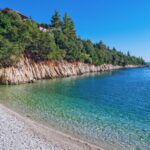
June is arguably the best single month for a beach holiday. The sea has warmed up, the days are the longest of the year, and prices have not yet reached their August peak. School holidays in Greece start in mid-June, so domestic travel builds towards the end of the month. Santorini and Mykonos are already busy, but far less so than in high summer.
July and August
High summer means guaranteed sunshine, warm seas, every beach bar and boat trip operating, and the busiest time of year. Temperatures regularly pass 35°C during heatwaves, and archaeological sites can close in the middle of the day in extreme heat. The meltemi, a strong northerly wind, blows across the Aegean in July and August, keeping the Cyclades cooler but making ferries rough and some beaches choppy; the Ionian side, including Corfu, is usually calmer. The 15 August holiday of the Dormition of the Virgin Mary is the peak of the Greek holiday season: ferries and island accommodation fill up with Greek families, and village festivals (panigyria) run late into the night. If summer is your only option, book ferries and rooms early; our Greek ferries guide explains how.
September
For many regular visitors, September is the best month of all. The sea is at its warmest, the heat eases, the meltemi usually drops, and once Greek schools return in mid-September the beaches empty out. Grape harvests take place across the wine regions, and prices begin to fall. It is the ideal month for islands like Santorini, where our Santorini travel guide covers how to avoid the cruise-ship crowds.
October
Early October is still beach weather in the south, with the sea often warmer than the air in the evenings. Rain becomes more likely as the month goes on, especially in the Ionian and the north, and many seasonal businesses close from mid to late October. 28 October, Ochi Day, is a national holiday with parades. It is an excellent month for walking, and Crete, which stays warm longest, is a strong choice; see our guide to the best time to visit Crete.
November and December
Late autumn brings the olive harvest, rain and the first cold days. Islands go quiet and many hotels close until spring. Athens and Thessaloniki stay lively, with Christmas lights, markets and a full cultural calendar, and this is a good time for museum-focused city breaks; our Athens travel guide covers what is open all year.
How the regions differ
Greece is a long country, and the weather varies more than many visitors expect. Crete and the Dodecanese, including Rhodes and Kos, have the longest season: swimming is realistic from late May to the end of October, and some hotels stay open into November. The Cyclades are sunny and dry but exposed to the meltemi in high summer, and small islands close down almost completely in winter. The Ionian islands, such as Corfu, Kefalonia and Zakynthos, are greener because they get far more rain from autumn to spring, but summers are calm and hot. The north, including Thessaloniki, Halkidiki and the mountains of Epirus and Macedonia, has colder winters, with snow in the mountain villages, and a slightly shorter beach season. The mountains everywhere are a summer refuge: places like Zagori and Pelion can be 8 to 10 degrees cooler than the coast in July.
The best time for different trips
- Beach holiday: June and September, with early July and late August as compromises.
- Island hopping: late May, June and September, when ferries run a full timetable but are not overloaded.
- Hiking: April, May and October, avoiding the summer heat.
- Sightseeing and archaeology: April, May, October and early November.
- Budget travel: May and late September to October, with lower prices and good weather.
- Festivals: Easter, 15 August and summer village panigyria.
Practical tips
- Check opening dates: on smaller islands many hotels and tavernas only open from around Easter or May to October.
- Watch the Easter date: Orthodox Easter often differs from Western Easter, and prices and ferries are busy that week.
- Plan around the heat: in summer, visit archaeological sites when they open in the morning and rest in the early afternoon.
- Expect the wind: in July and August, sheltered beaches matter in the Cyclades.
- Ferries in winter: routes still run to the larger islands, but schedules are thinner and weather cancellations more common.
- Consider the north: in the hottest weeks, Corfu, the mountains of Epirus and Halkidiki can be more comfortable than the southern Aegean. Our Corfu travel guide is a good starting point.
Frequently Asked Questions
What is the best month to visit Greece?
June and September are the best all-round months, with warm seas, long sunny days and fewer crowds than July and August. Late May and early October are also excellent, especially in the south.
When is it too cold to swim in Greece?
Most people find the sea too cold from around December to April, when it sits at around 14 to 17°C off Athens. By June it reaches around 22°C, and it stays warm until October.
Is Greece worth visiting in winter?
Yes for cities and culture, less so for islands. Athens and Thessaloniki are lively all year, and archaeological sites are quiet, but many island hotels, tavernas and ferry routes close or reduce services from November to March.
When is Greek Easter in 2027?
Orthodox Easter Sunday falls on 2 May 2027. It is the biggest festival of the Greek year, so book accommodation and ferries early if you plan to travel that week.
What is the meltemi?
The meltemi is a strong, dry northerly wind that blows across the Aegean mainly in July and August. It keeps temperatures down in the Cyclades but can make ferry crossings rough and north-facing beaches choppy.